

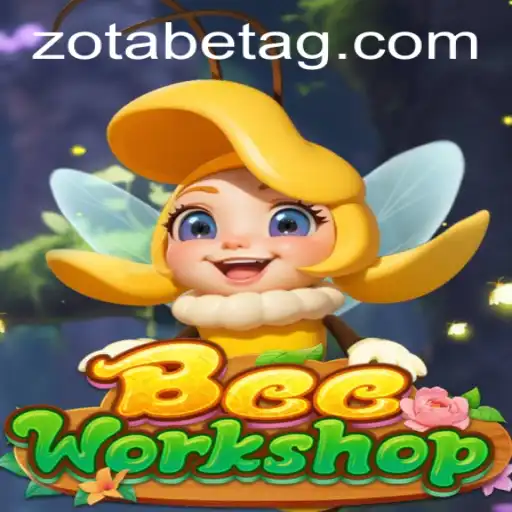
Welcome to BeeWorkshop: An Engaging Hive Management Experience
In a world where strategy meets realism, BeeWorkshop emerges as a refreshing addition to the realm of simulation games. Designed to captivate players with the intricacies of hive management and honey production, this game introduces a series of intriguing challenges that mirror the real-life responsibilities of beekeeping.
The Rise of BeeWorkshop: Game Introduction
As the digital landscape evolves, players continually seek experiences that blend education with entertainment. BeeWorkshop addresses this demand by offering an immersive platform where enthusiasts can dive into the life of a beekeeper. This game is not just about tending to bees; it's a strategic adventure that requires players to balance resource management, environmental changes, and economic aspects intertwined with current real-world issues like climate change.
Gameplay Mechanics and Features
At its core, BeeWorkshop requires players to manage a comprehensive beehive ecosystem. This involves taking on roles that range from a meticulous beekeeper to a savvy business strategist. As players progress, they will encounter diverse scenarios where they must utilize their bees to harvest honey, pollinate plants, and navigate environmental challenges, thus echoing the real-life struggle of beekeepers today.
The game introduces several features that enhance its immersive quality. Players start with basic tools and resources, slowly building their hive into a bustling center of activity. With options to expand and upgrade hives, players can diversify their bee species, optimize honey production, and even explore new flora. This dynamic growth model keeps the experience engaging and rewarding.
Diving into the Game: Rules and Strategies
BeeWorkshop's gameplay revolves around strategizing for sustainability and expansion. Each decision influences the hive's health and production capacity. The game incorporates a day-night cycle and seasonal variations that reflect changes in real-world beekeeping dynamics.
Understanding the Rules
The foundation of BeeWorkshop lies in a few fundamental rules:
- Hive Management: Players must maintain the hive's health by managing resources efficiently. This includes monitoring bee populations, ensuring a steady supply of pollen, and maintaining optimal hive conditions to prevent diseases.
- Economic Balance: As in real life, honey production is central to the game's economy. Players must balance production costs with honey sales and consider market trends influenced by current events, like fluctuating demands for organic products.
- Resource Allocation: Players are encouraged to explore the environment, collecting resources to enhance hive productivity. Strategic allocation of these resources is crucial for advancing the hive's capabilities and managing unexpected challenges.
Strategies in BeeWorkshop often revolve around anticipating seasonal impacts and planning accordingly. As bee health can be affected by external factors such as pesticide use or natural calamities, players must strategize to mitigate these risks through timely interventions and adaptive management.
Interweaving with Real-World Events
BeeWorkshop is more than a simulation; it offers a reflective lens on contemporary issues surrounding beekeeping. The game's narrative incorporates elements of current environmental and economic challenges faced by beekeepers globally. In recent times, the spotlight has been on the declining bee populations due to climate change and habitat loss. Through gameplay, players gain insights into these pressing issues, inspiring a responsible approach towards ecological sustainability.
The game's economic model also mirrors the volatility in markets influenced by emerging eco-friendly trends and geopolitical events. Players learn to adapt to these changes, paralleling real-world economic shifts where consumer preferences and legislation play significant roles.
Broadcasting the Buzz: Connecting With Current Trends
Additionally, BeeWorkshop integrates concepts such as urban beekeeping and digital commerce, reflecting shifting trends where technology meets traditional practices. The emergence of platforms like 95co.bet exemplifies how digital transformation influences traditional sectors, offering a modern twist in engaging with audiences.
By incorporating these elements, BeeWorkshop not only entertains but also educates players on the symbiotic relationship between technology and traditional practices. It illustrates the potential of leveraging digital platforms for awareness and education in sustainable practices.
Conclusion: The Hive as a Microcosm of the World
BeeWorkshop is a testament to the evolving nature of simulation games, offering a multifaceted experience that blends strategy, education, and fun. As players navigate the challenges of maintaining a thriving hive, they concurrently engage with broader discussions on sustainability and the impact of global events on local ecosystems. This game sets a new standard for immersive learning, where the digital environment becomes a space for reflection and growth beyond the pixels on the screen.